

Adverse Childhood Experiences (ACEs) Repository
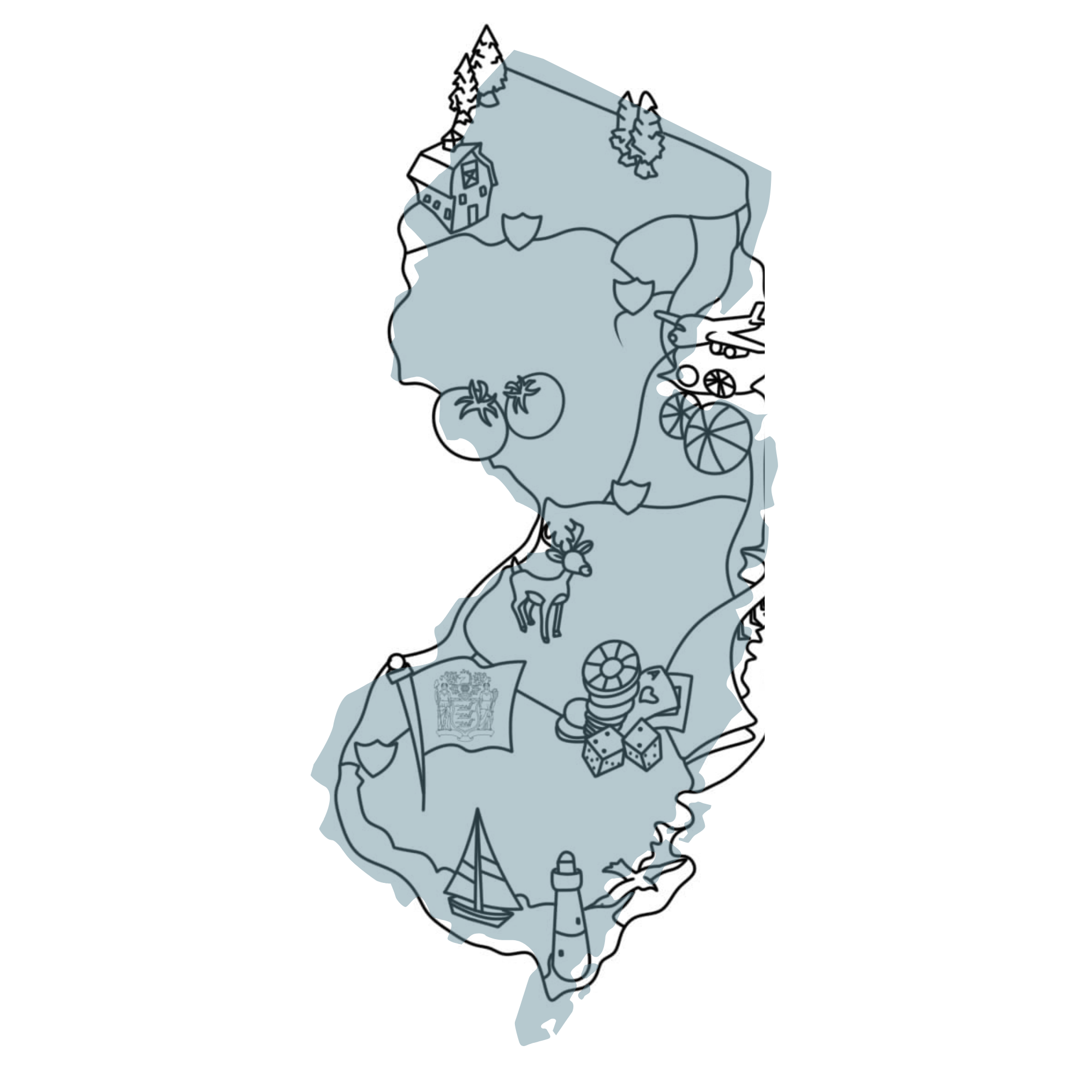 In New Jersey, pre-pandemic data demonstrate over 40% of children have experienced at least one adverse childhood experience (ACE), and 18% have experienced two or more. Black and Hispanic children experience higher rates of multiple ACEs compared to their non-Hispanic white peers. Recent hospital data indicates an increasing percentage of inpatients with ACEs across all demographics since 2016, though disparities by race and ethnicity persist.
Overall prevalence
More than 40% of children in New Jersey have experienced at least one ACE (2016-2018).
18% have experienced two or more ACEs.
Among children under five years old, about one-third wereContinue reading
-
Research & Data
Share Research & Data on Facebook Share Research & Data on X (formerly Twitter) Share Research & Data on Linkedin Email Research & Data link Preventing Adverse Childhood Experiences and Promoting Positive Childhood Experiences in New Jersey: Early Data Findings
New Jersey, like many states, is developing a statewide infrastructure for collecting data on ACEs and PCEs. This profile shares New Jersey’s efforts to understand the impact of ACEs and PCEs across the state through data, with the goal of designing initiatives that promote child health and well-being. The findings can inform other states looking to implement similar data-driven efforts.The profile is a product of Preventing ACEs Across New Jersey: Data to Action, an initiative supported by the Centers for Disease Control andContinue reading
-
Prevention
Share Prevention on Facebook Share Prevention on X (formerly Twitter) Share Prevention on Linkedin Email Prevention link
The SEEK approach is a practical and evidence-based approach that helps primary care professionals (PCPs) address targeted social determinants of health or ACEs that are also risk factors for child maltreatment: parental depression, major stress, substance misuse, intimate partner (or domestic) violence, food insecurity and harsh punishment. SEEK thus enhances primary care by promoting the healthy functioning of children, parents, and families. It’s easy to implement, and the screening may be reimbursed.
Pediatricians, family medicine physicians, nurse practitioners, physician assistants, and residents in pediatric and family medicine primary care settings.
Anyone can complete the SEEK online training for free.SEEK was developed to take advantage of excellent opportunities in primary healthcare to learn about children’s family environments and to facilitate help when needed. A practical approach was developed to help primary care professionals (PCPs) play this role. Two large randomized controlled trials have had very promising findings toward helping to prevent child maltreatment. SEEK helps respond to what has been learned in the Adverse Childhood Experiences (ACEs) studies: the potential long-term and substantial harm associated with childhood adversities. In addition, SEEK helps with the increasing recognition of the important need to address social determinants of health, also called health-related social needs.
 Child Trends is committed to designing, conducting, interpreting, and communicating rigorous, high-quality data and research on children, youth, and families’ well-being. Their work explores how a child’s environment shapes their life and the drivers of variance in their outcomes across individual, socioeconomic, and other characteristics.Take a look at their latest published article.
State-level Rates of ACES Stable From 2018 to 2023