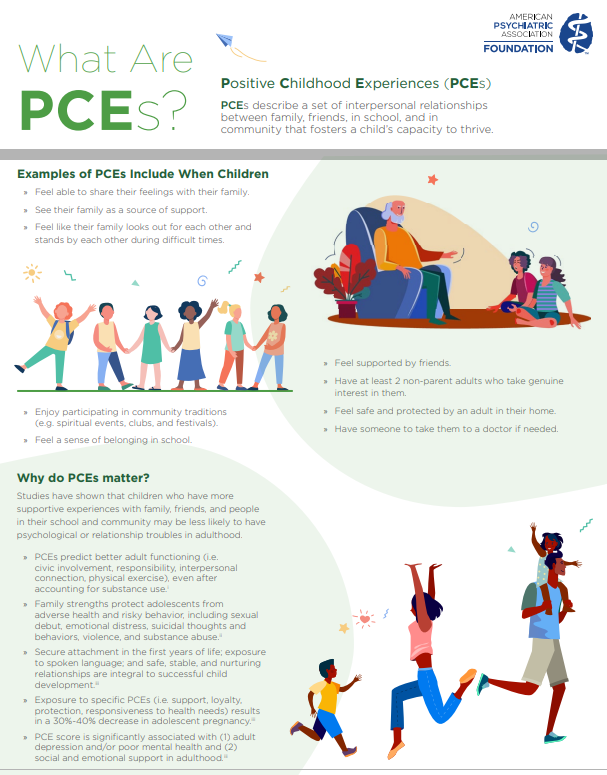
 Review this curated collection of scholarly articles and research focused on positive childhood experiences (PCEs), designed to provide insights and evidence-based practices that highlight how nurturing environments and supportive relationships can foster resilience and promote healing in children.
Take a look at the Center for Disease Control's (CDC) Adverse Childhood Experiences (ACEs) and Positive Childhood Experiences (PCEs) Data to Action Hub! You can learn more about ACEs and PCEs data collection and monitoring, assessing and understanding different data sources, or turning data into action.
Ten Takeaways from PCEs Research
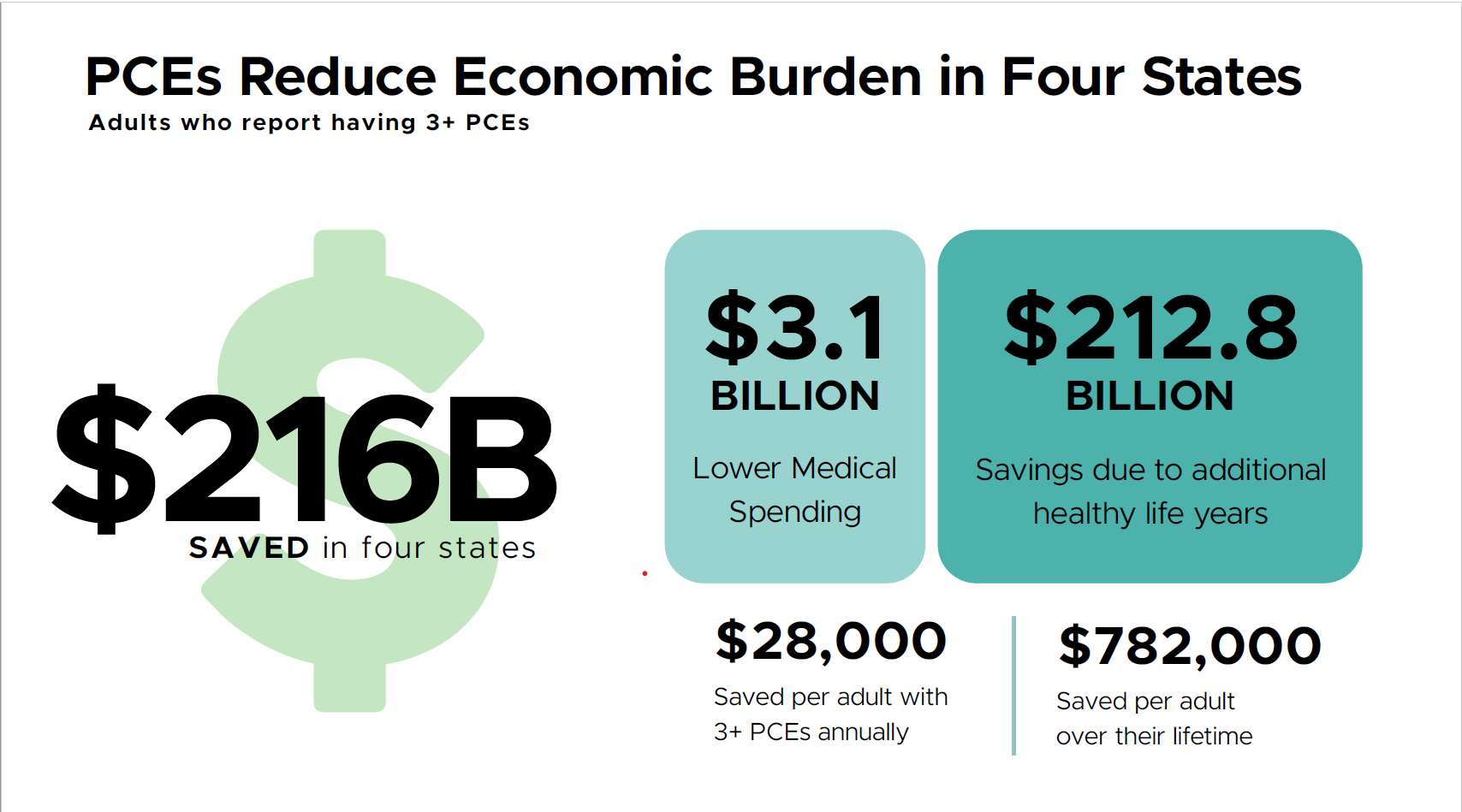
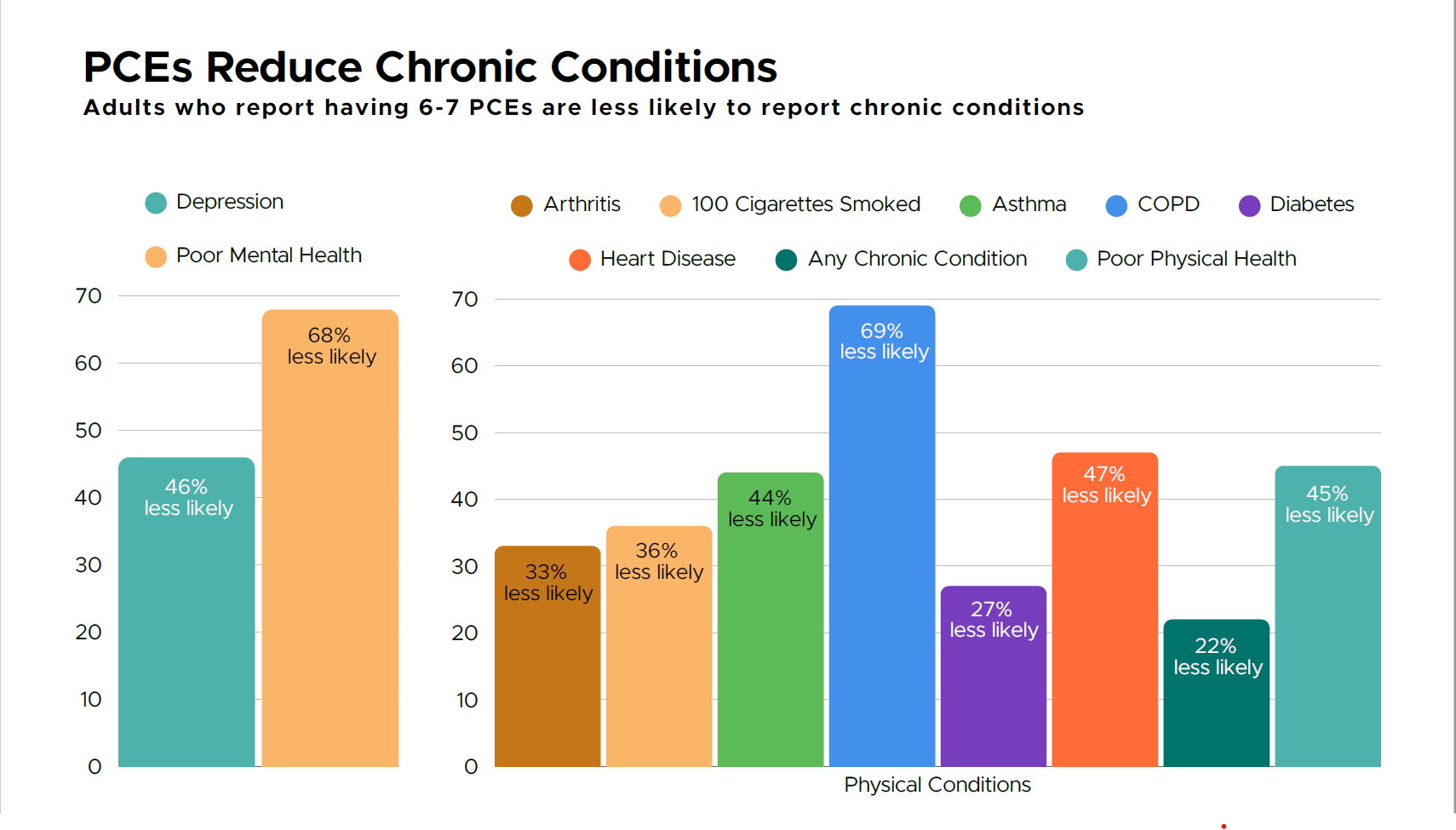
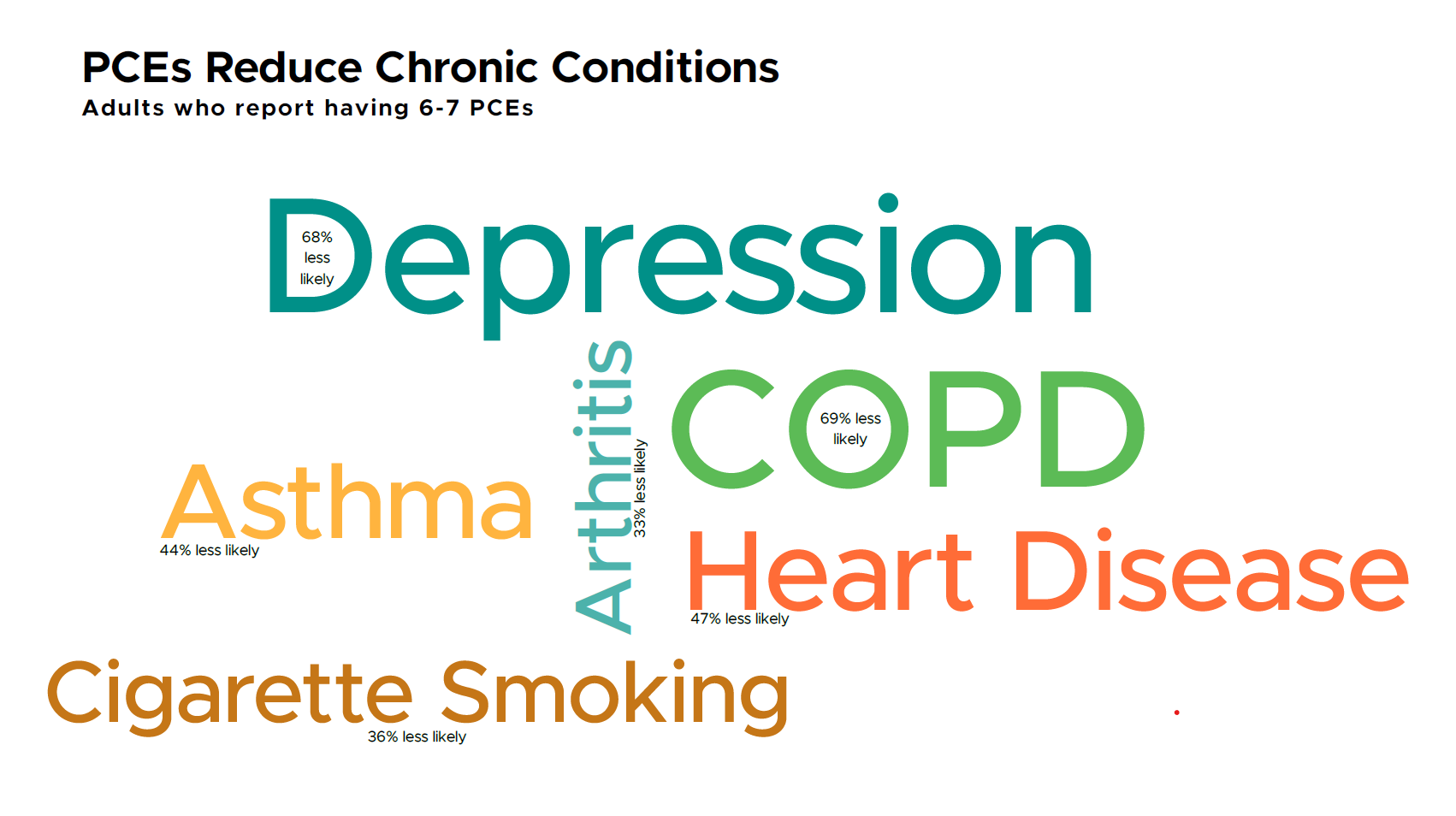
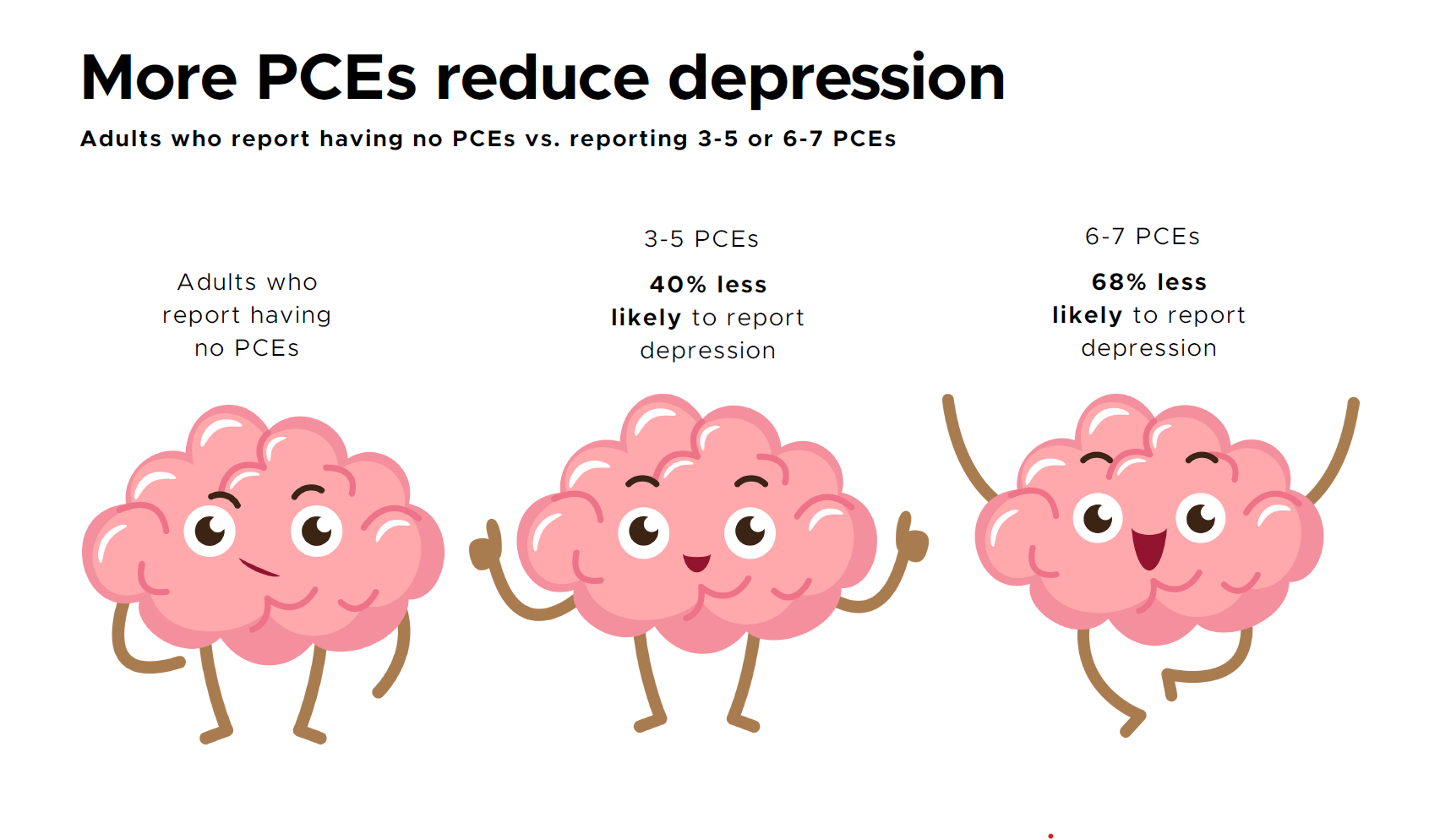
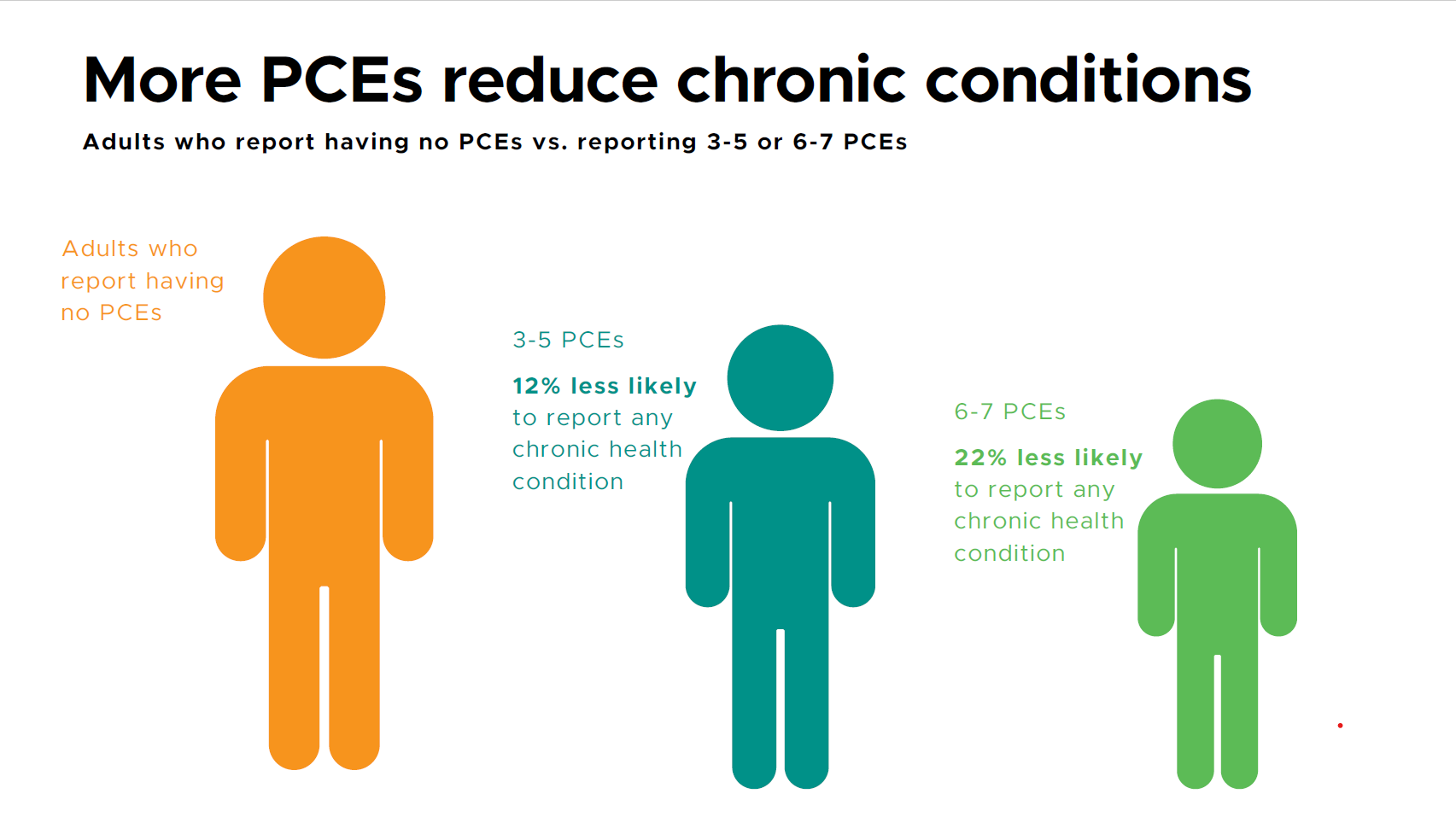
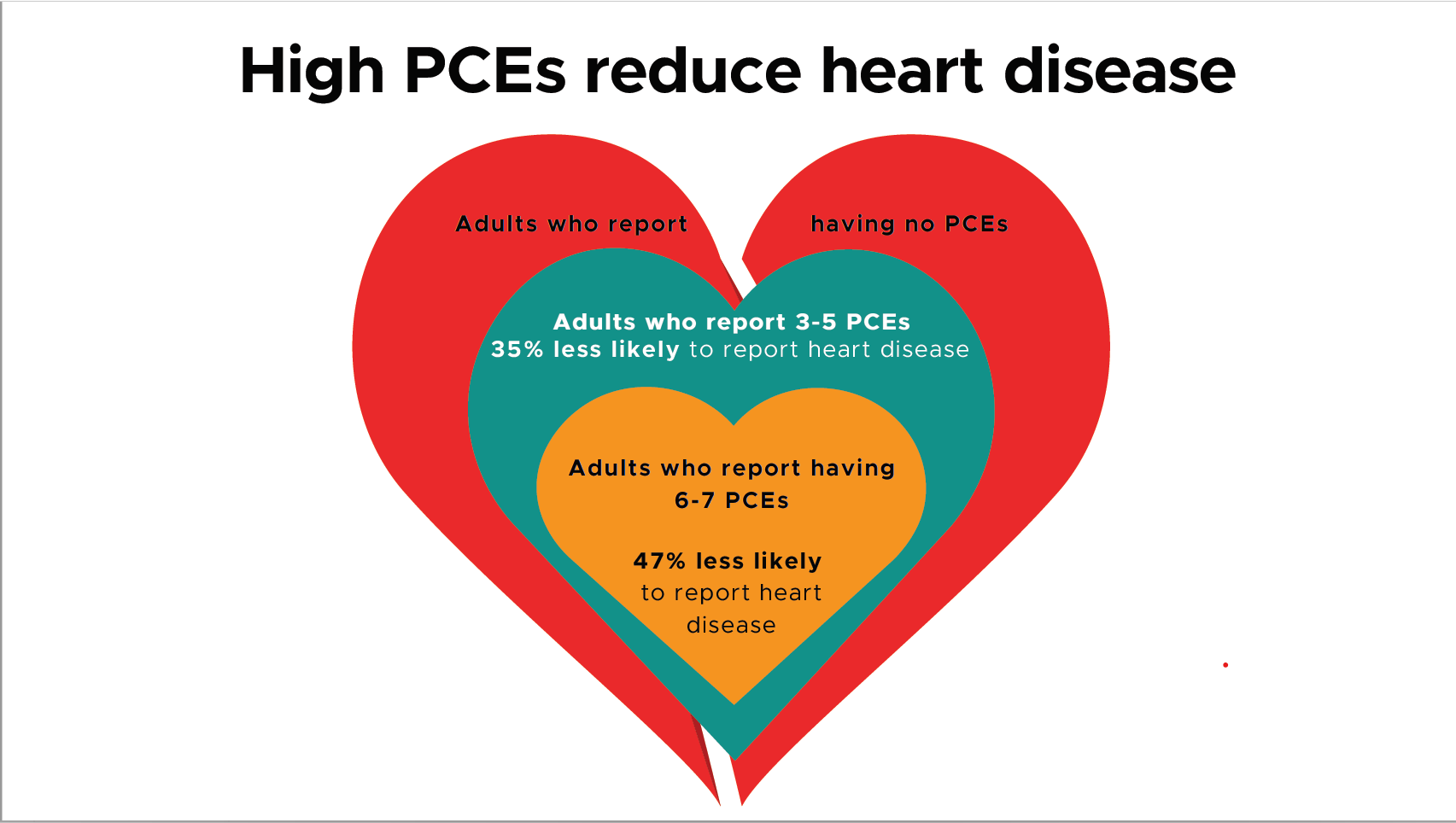
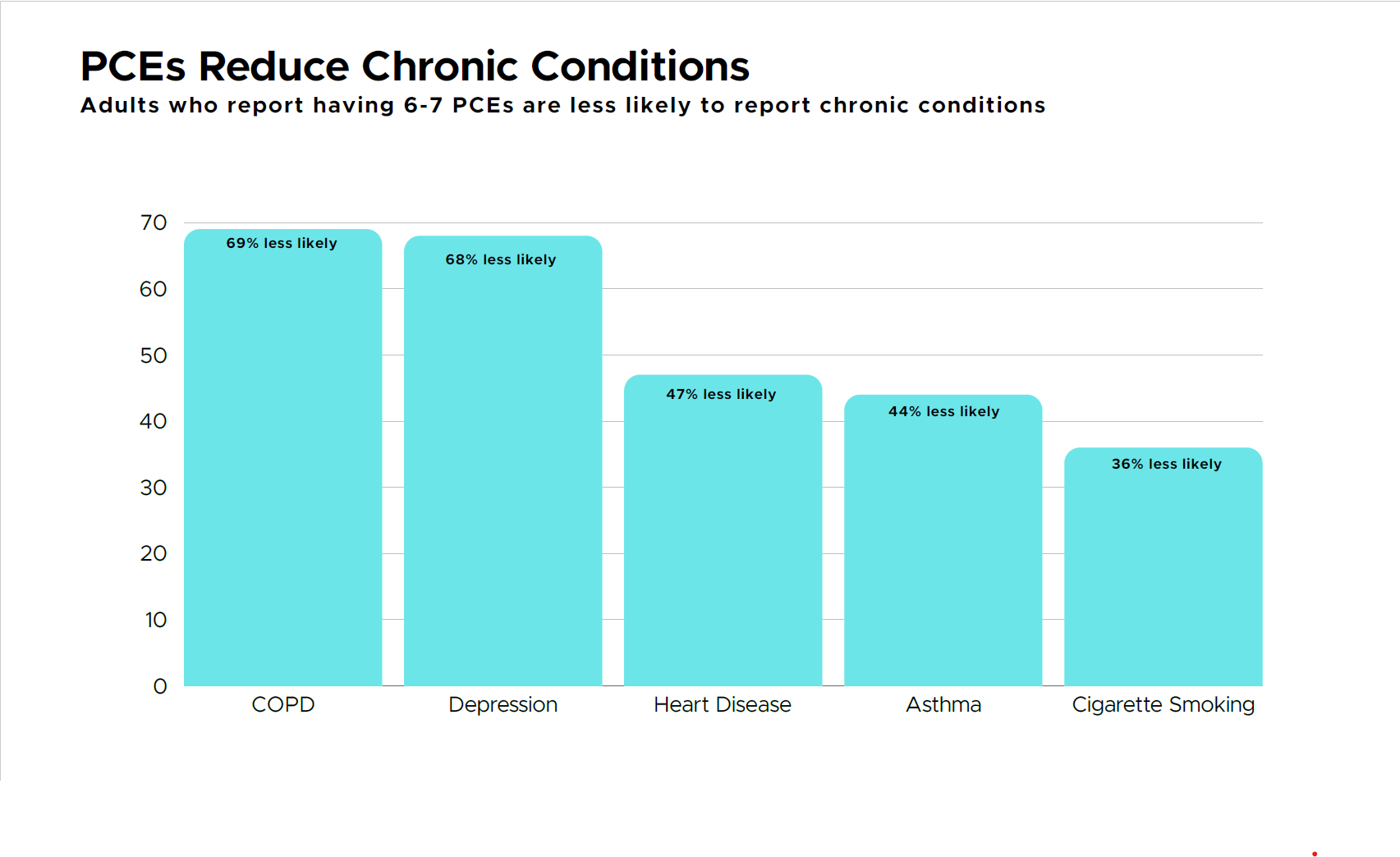
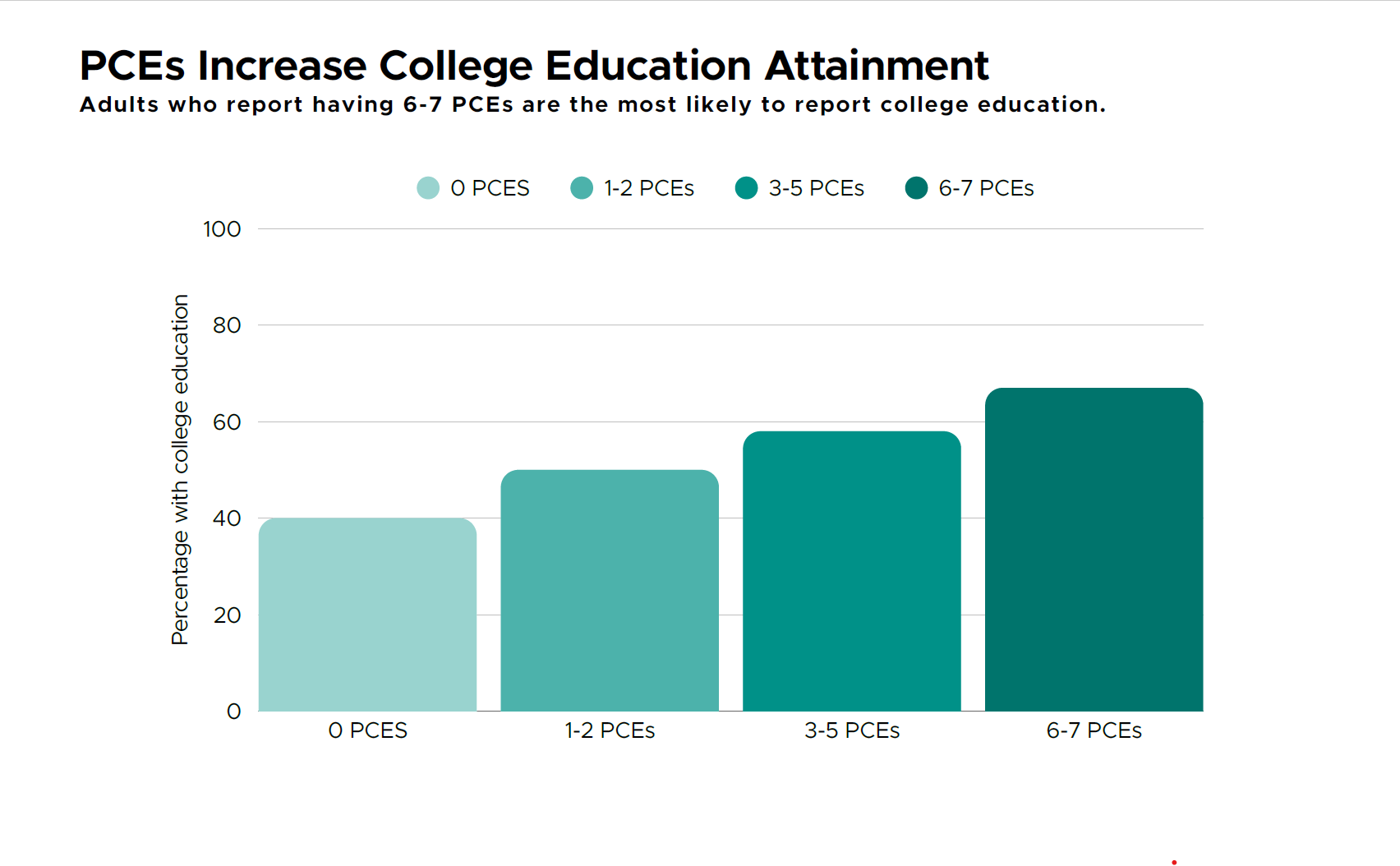
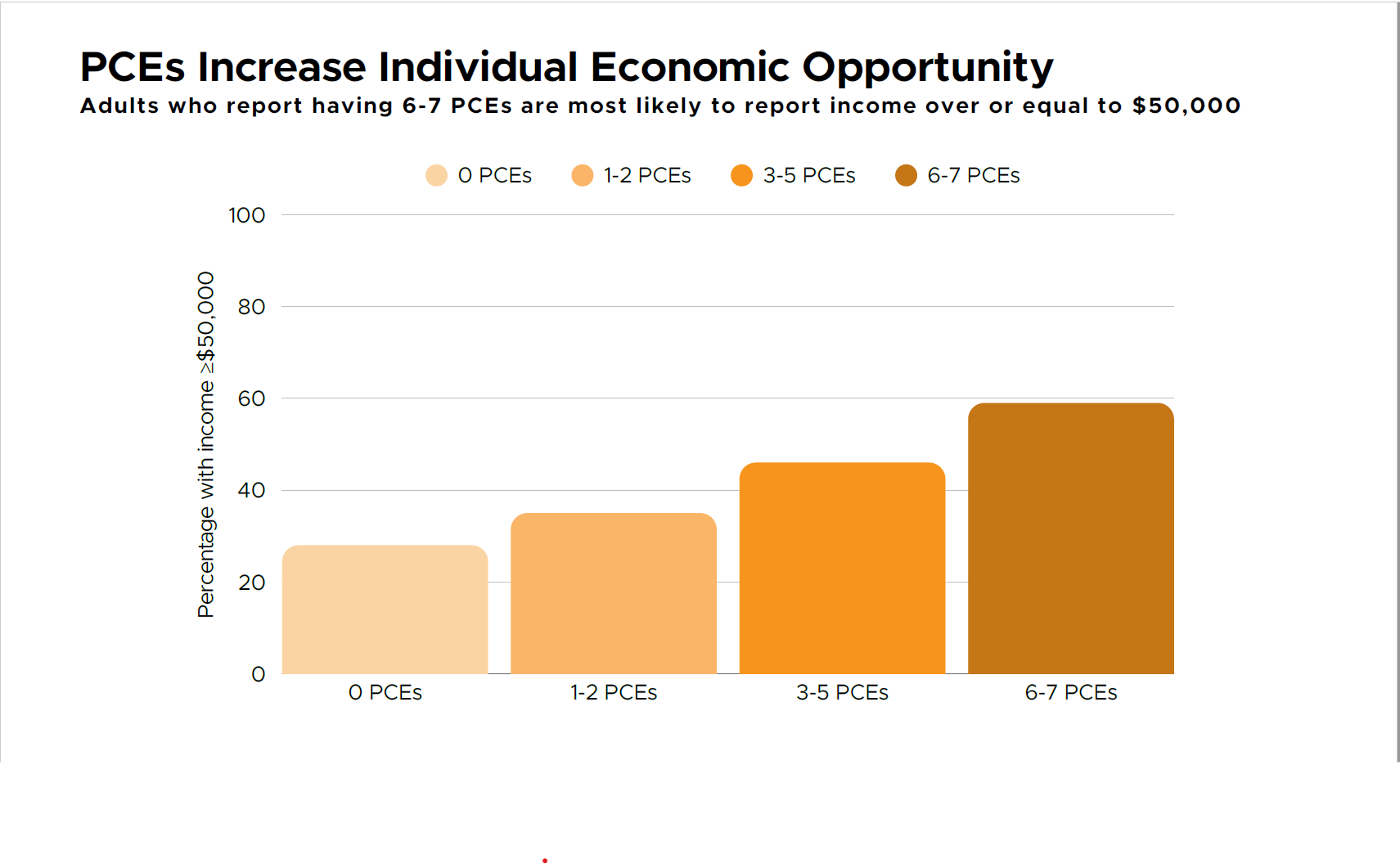
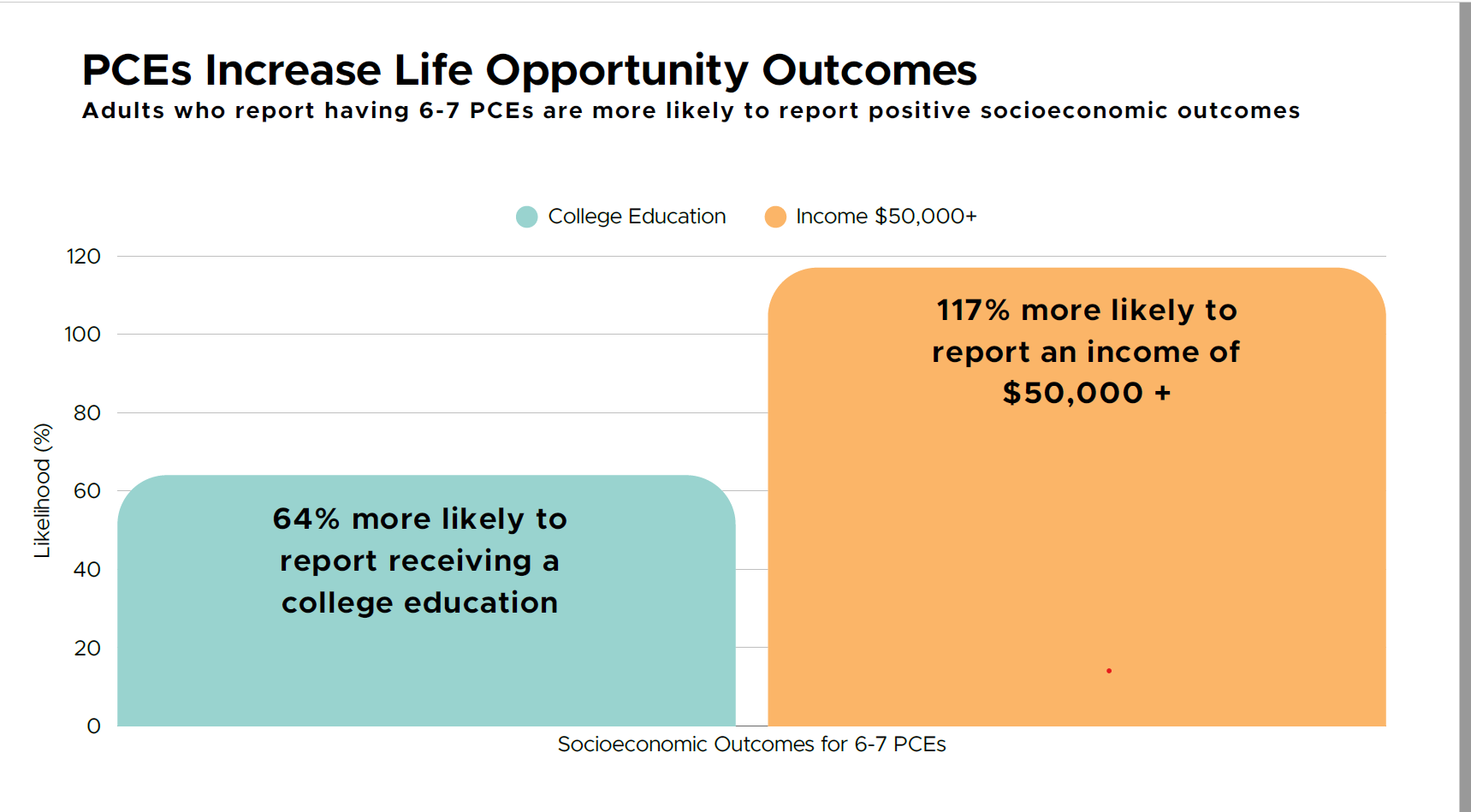
The HOPE National Resource Center led a collaboration that analyzed survey data to study the lifelong health effects of positive childhood experiences (PCEs). Looking at survey data from four states (Kansas, Montana, South Carolina, and Wisconsin), the research team found further evidence that Positive Childhood Experiences (PCEs) are associated with long-term health and wellbeing. The results complement prior studies, conducted using similar methods, that showed the long-term harmful effects of adverse childhood experiences.
Suggested Citation: Sege RD, Aslam MV, Peterson C, et al. Positive Childhood Experiences and Adult Health and Opportunity Outcomes in 4 US States. JAMA Netw Open. 2025;8(7):e2524435
Positive Childhood Experiences: Juvenile Justice System
The HOPE (Healthy Outcomes from Positive Experiences) framework, a research-based, community-driven approach to improving access to the key types of PCEs youth need to thrive, presents a potentially powerful strategy for juvenile justice systems to transform care for system-impacted youth. This 11-page manuscript describes this proposed approach.
Suggested Citation: Winn, A., Hannan, K., Sege, R., & Burstein, D. (2025). Reimagining the juvenile justice system through the healthy outcomes from positive experiences framework. International Journal of Environmental Research and Public Health, 22(5), 782.
Recent Review and Research on PCEs
This 17-page review presents the results of a scoping review of the literature investigating associations between positive childhood experiences (PCEs) and selected health outcomes to identify which have the highest level of research activity based on the indexed academic literature.
Suggested Citation: Hero, J., Gallant, L., Burstein, D., Newberry, S., Qureshi, N., Feistel, K., Anderson, K. N., Hannan, K., & Sege, R. (2025). Health associations of positive childhood experiences: A scoping review of the literature. International Journal of Environmental Research and Public Health, 22(1), 59.
Positive Childhood Experiences and Adult Cardiovascular Health
To test whether positive childhood experiences (PCEs) assessed prospectively in adolescence predict ideal cardiovascular health in adulthood, even after controlling for experiences of childhood maltreatment. We also tested whether PCEs would moderate the association between childhood maltreatment and adult cardiovascular health and whether sex moderated the association between PCEs and cardiovascular health.
Suggested Citation: Deer, L. K., Han, D., Maher, M., Scott, S. R., Rivera, K. M., Melnick, E. M., Dieujuste, N., & Doom, J. R. (2025). Positive childhood experiences and adult cardiovascular health. Health psychology : official journal of the Division of Health Psychology, American Psychological Association, 44(5), 489–497. https://doi.org/10.1037/hea0001428
Prevalence of positive childhood experiences among adults, Four States 2015-2021
Positive childhood experiences (PCEs) promote optimal health and mitigate the effects of adverse childhood experiences, but PCE prevalence in the United States is not well-known. Using Behavioral Risk Factor Surveillance System data, this study describes the prevalence of individual and cumulative PCEs among adults residing in four states: Kansas (2020), Montana (2019), South Carolina (2020), and Wisconsin (2015).
Suggested Citation: Sege, R., Swedo, E. A., Burstein, D., Aslam, M. V., Jones, J., Bethell, C., & Niolon, P. H. (2024). Prevalence of positive childhood experiences among adults — Behavioral Risk Factor Surveillance System, Four States, 2015–2021. MMWR. Morbidity and Mortality Weekly Report, 73(17), 399–404.
Positive Childhood Experiences and Adult Mental Health
Associations between adverse childhood experiences (ACEs) and risks for adult depression, poor mental health, and insufficient social and emotional support have been documented. Less is known about how positive childhood experiences (PCEs) co-occur with and may modulate the effect of ACEs on adult mental and relational health. This study evaluates associations between adult-reported PCEs and (1) adult depression and/or poor mental health (D/PMH) and (2) adult-reported social and emotional support (ARSES) across ACEs exposure levels.
Suggested Citation: Bethell, C., Jones, J., Gombojav, N., Linkenbach, J., & Sege, R. (2019). Positive childhood experiences and adult mental and relational health in a statewide sample: associations across adverse childhood experiences levels. JAMA pediatrics, 173(11), e193007.
Adolescence is a critical period marked by heightened vulnerability to mental health conditions, with anxiety and depression being among the most prevalent. While previous research has highlighted the protective role of positive childhood experiences (PCEs) in preventing internalizing disorders, little is known about how various types of PCEs contribute to recovery once these conditions have emerged. Using nationally representative data from the 2022–2023 National Survey of Children's Health, this study examined the association between seven types of PCEs and recovery from anxiety and depression among U.S. adolescents aged 12–17.
Suggested Citation: Gahyun Park, Hayoung Jung, Isak Kim (2026). Where healing begins: The role of positive childhood experiences (PCEs) in recovery from anxiety and depression among adolescents, Journal of Affective Disorders, Volume 400, 2026, 121209, ISSN 0165-0327. https://doi.org/10.1016/j.jad.2026.121209
Intergenerational transmission of adverse and positive childhood experiences and associations with child well-being
Results support the intergenerational transmission of PCEs and ACEs, advancing understanding of the role that parent PCEs play in promoting child PCEs and fostering child well-being. Findings underscore the importance of extending clinical surveillance of ACEs to include PCEs in pediatric and adult healthcare settings. Dual-generation programs that address the negative consequences of parental ACEs may be able to increase their impact by adding a parallel emphasis on PCEs and providing parents with tools to foster PCEs in their children.
Suggested Citation: Blackwell, C. K., Cella, D., & Mansolf, M. (2024). Intergenerational transmission of adverse and positive childhood experiences and associations with child well-being. Child abuse & neglect, 157, 107050. https://doi.org/10.1016/j.chiabu.2024.107050
Preventing Childhood Toxic Stress: Partnering With Families and Communities to Promote Relational Health
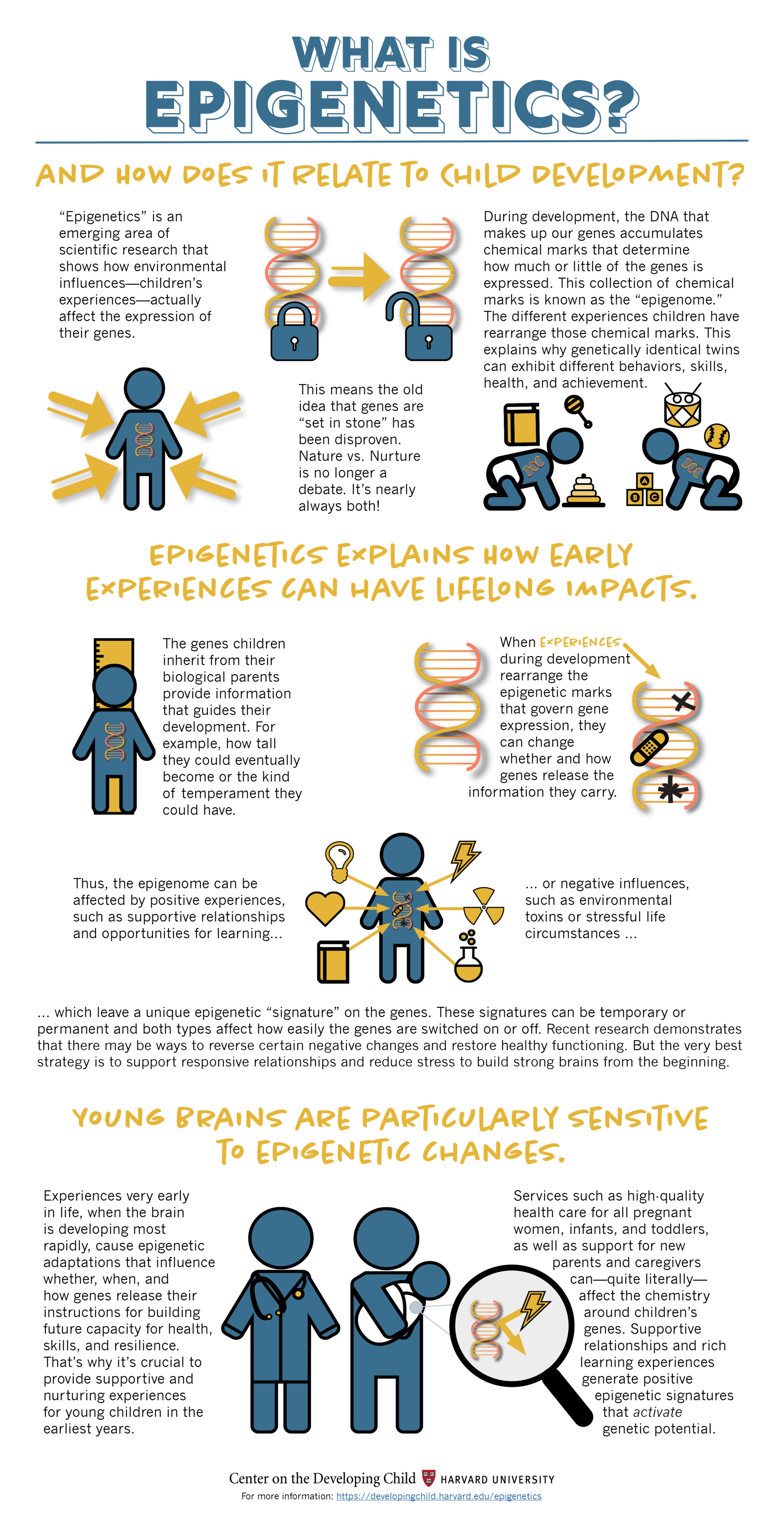
By focusing on the safe, stable, and nurturing relationships (SSNRs) that buffer adversity and build resilience, pediatric care is on the cusp of a paradigm shift that could reprioritize clinical activities, rewrite research agendas, and realign our collective advocacy. Driving this transformation are advances in developmental sciences as they inform a deeper understanding of how early life experiences, both nurturing and adverse, are biologically embedded and influence outcomes in health, education, and economic stability across the life span. This revised policy statement on childhood toxic stress acknowledges a spectrum of potential adversities and reaffirms the benefits of an eco-biodevelopmental model for understanding the childhood origins of adult-manifested disease and wellness. It also endorses a paradigm shift toward relational health because SSNRs not only buffer childhood adversity when it occurs but also promote the capacities needed to be resilient in the future.
Suggested Citation: Andrew Garner, Michael Yogman; COMMITTEE ON PSYCHOSOCIAL ASPECTS OF CHILD AND FAMILY HEALTH, SECTION ON DEVELOPMENTAL AND BEHAVIORAL PEDIATRICS, COUNCIL ON EARLY CHILDHOOD, Preventing Childhood Toxic Stress: Partnering With Families and Communities to Promote Relational Health. Pediatrics August 2021; 148 (2): e2021052582. 10.1542/peds.2021-052582
Impact of Positive and Adverse Childhood Experiences in Adolescence
This study evaluated the associations between positive and adverse experiences and environments in adolescence and health, education and employment outcomes in early adulthood. Data were extracted from the Longitudinal Studies of Australian Youth cohort that commenced in 2003.
Suggested Citation: Kemp, L., Elcombe, E., Blythe, S., Grace, R., Donohoe, K., & Sege, R. (2024). The Impact of Positive and Adverse Experiences in Adolescence on Health and Wellbeing Outcomes in Early Adulthood. International Journal of Environmental Research and Public Health, 21(9), 1147.
Transforming practice with HOPE
Healthy outcomes from positive experiences (HOPE) translates research findings about the effects of PCEs into clinical and organizational changes that support optimal development and resilience in the face of adversity. This paper describes the growing evidence that supports the health effects of positive childhood experiences and uses these insights to promote a paradigm shift that will incorporate the identification, celebration, and support of PCEs as an integral part of caring for children and families.
Suggested Citation: Burstein, D., Yang, C., Johnson, K., Linkenbach, J., & Sege, R. (2021). Transforming practice with HOPE (Healthy Outcomes from Positive Experiences). Maternal and Child Health Journal, 25(7), 1019–1024.


 The HOPE National Resource Center offers resources, trainings, research, and events that highlight how positive childhood experiences can be integrated into your life. There is also a free toolkit on how HOPE (Healthy Outcomes from Positive Experiences) can be incorporated into school and medical provider settings.
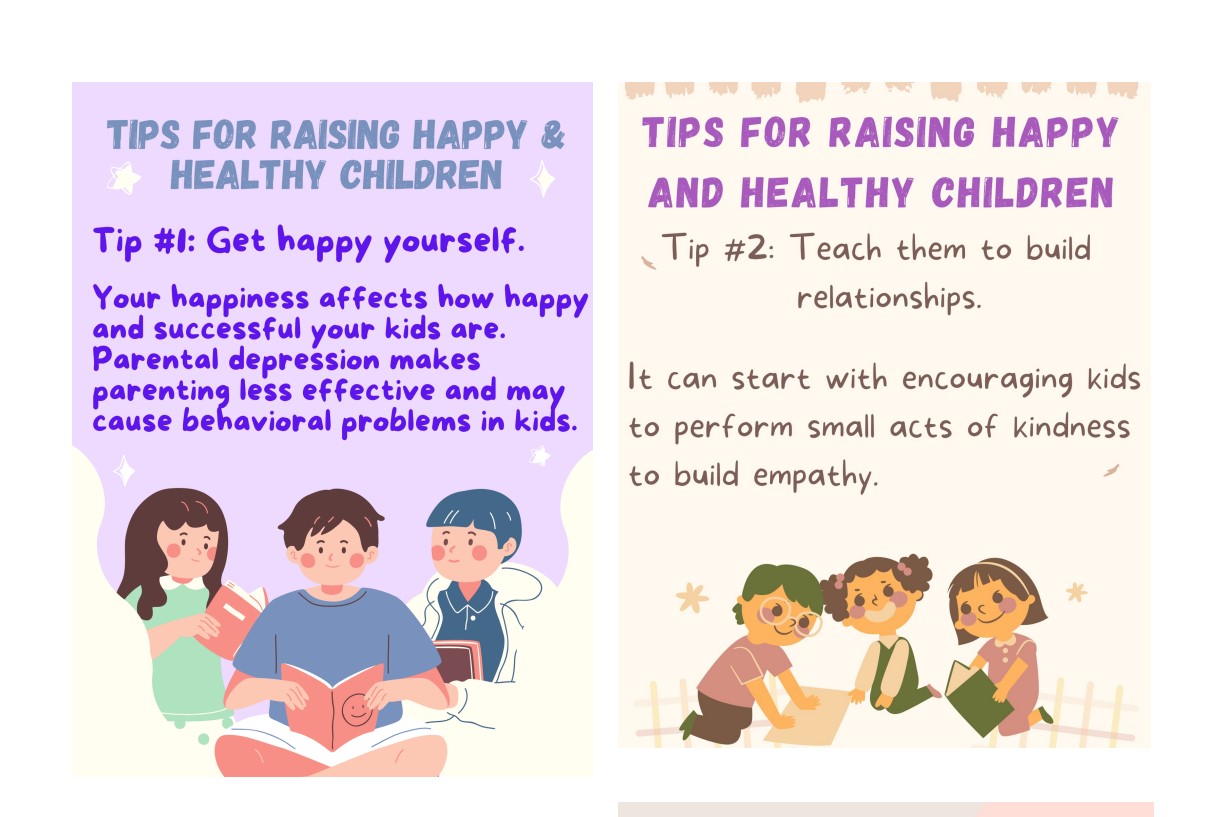 Prevent Child Abuse NJ works to build a brighter future for children by promoting family wellness, positive parentingContinue reading