

Science of Resilience
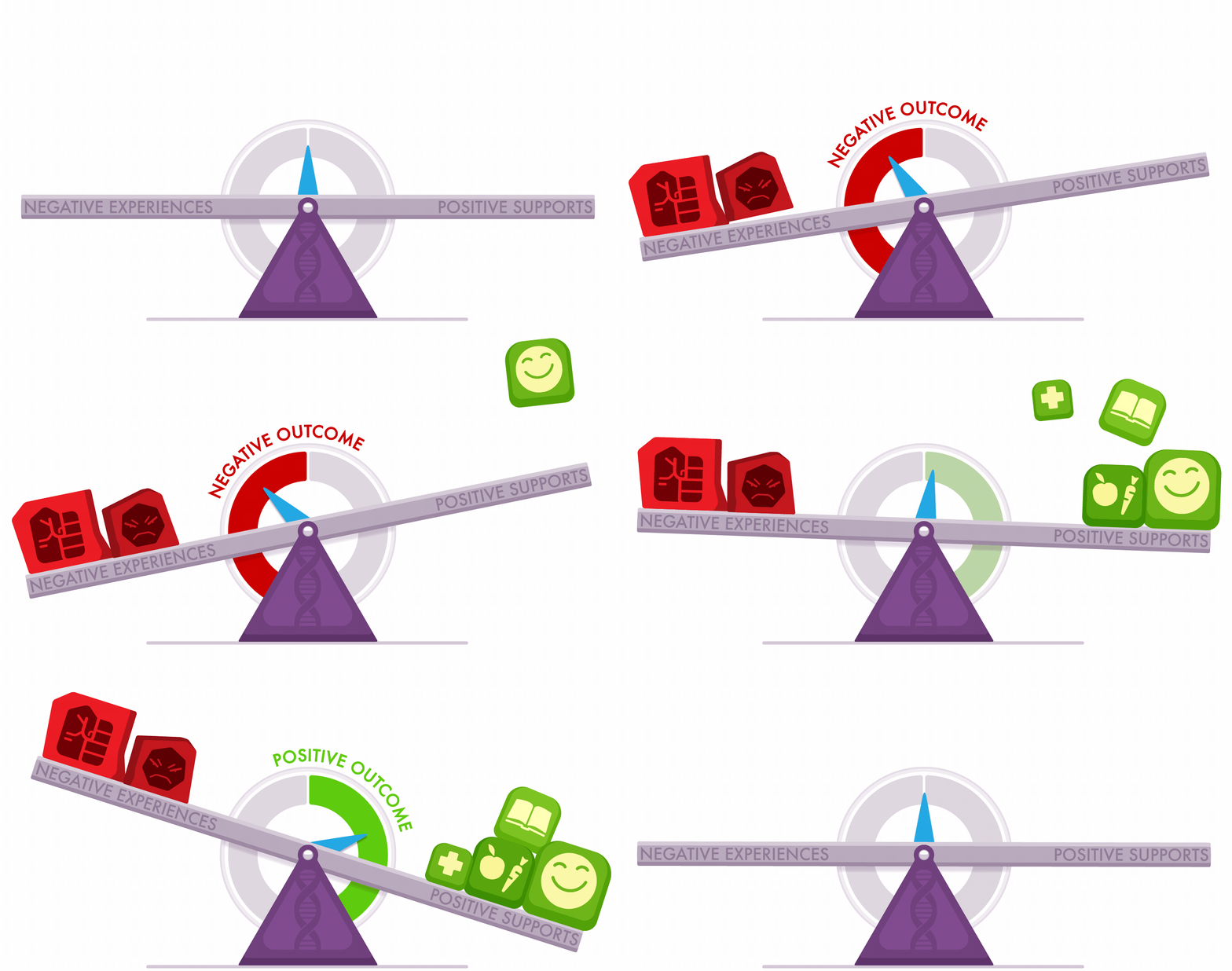 Resilience Scale » Alberta Family Wellness InitiativeRecent advancements in neuroscience and a growing body of research are actively cultivating resilience into trauma informed approaches.
Concepts like neuroplasticity and neurogenesis demonstrate that the brain can create new neural pathways and cells throughout a person's life, offering a biological basis for recovery and growth.
This approach is universal, promoting whole-person care and empowering individuals to build a greater capacity for self-regulation and self-care.
InBrief: The Science of Resilience
Learn more in this two-minute video to visualize the science of resilience and understand how protective factors within a child’s developmental environment can help them build essential skills to cope with adversity.
Watch this 7-minute video from the Alberta Family Wellness Initiative to learn more about the
Brain's Journey to Resilience.

Thank you for your contribution!
Help us reach out to more people in the community
Share this with family and friends