
Calm
 Mindfulness and meditation practices can help with the physical and mental aspects of stress and recovery, providing a holistic approach in coping with challenges. Meditation practices have been shown to activate the relaxation response, reducing stress hormones and promoting a sense of calm and well-being. Somatic practices, like Yoga, increase awareness of how your body feels and reacts, which can help identify stress signals early and respond more effectively. You can learn more at Mindfulness meditation: A research-proven way to reduce stress/meditation.
Say "Omm" and dive right in:
The Free Mindfulness Project - Free Guided Activities for Mindfulness and Meditation
Guided Meditations - UCLA Mindful | UCLA Health
What is mindfulness? - Medito Foundation
What is meditation? - Medito Foundation
Watch this 4-minute video by Mezzo Solutions that lists 10 simple ways to practice mindfulness
This online Mindfulness-Based Stress Reduction (MBSR) course is 100% free, created by a fully certified MBSR instructor, and is based on the program founded by Jon Kabat-Zinn at the University of Massachusetts Medical School.
Finger labyrinths
Finger labyrinths are miniature versions of traditional labyrinths, designed to be traced with a finger rather than walked. They serve as tools for meditation, mindfulness, and reflection, helping to reduce stress, quiet the mind, and open the heart.
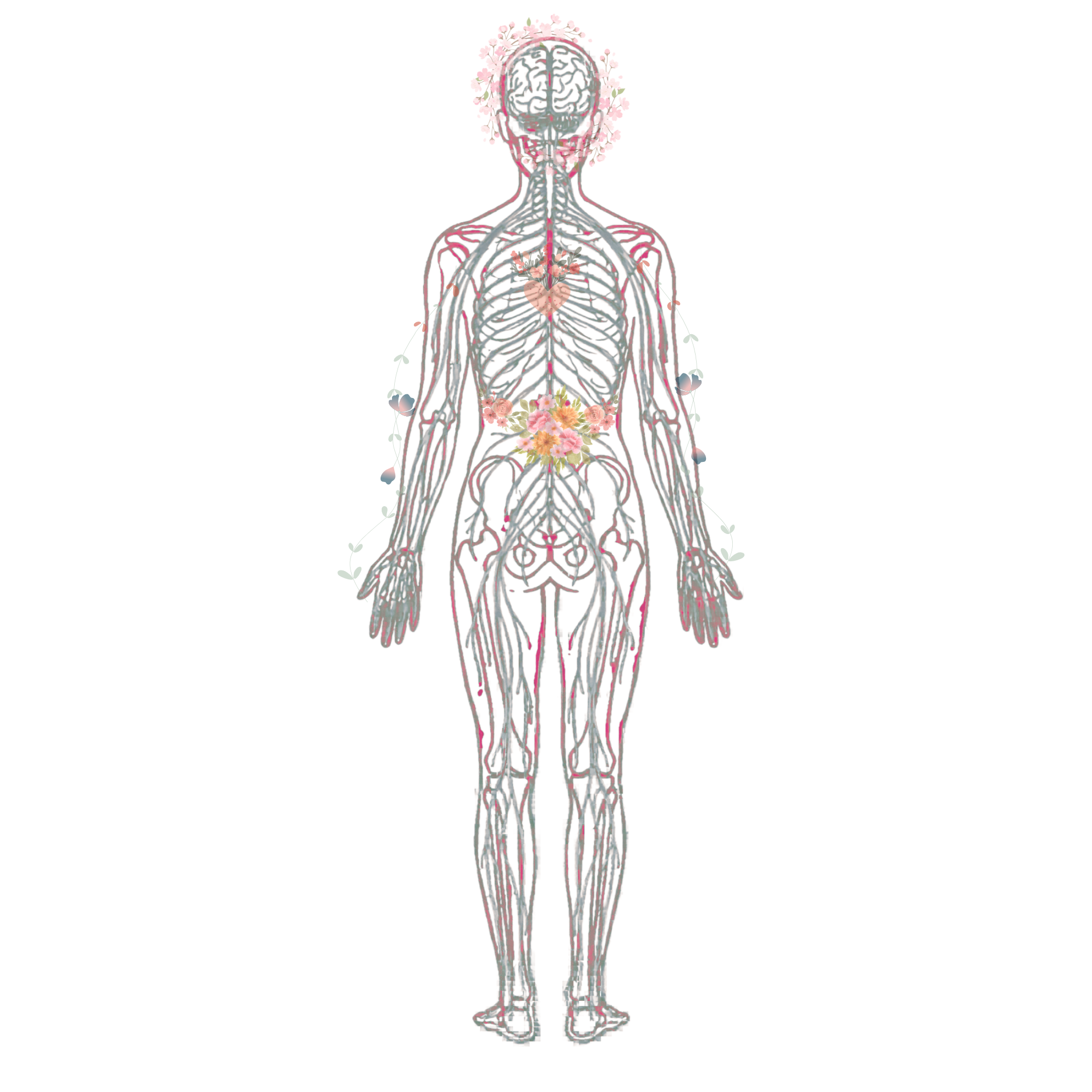 The vagus nerve (CN X) is the longest nerve of the autonomic nervous system, acting as a crucial bidirectional "information highway" connecting the brain to major organs like the heart, lungs, and gut. As the main component of the parasympathetic nervous system, it regulates involuntary functions—such as digestion, heart rate, and immune response—and triggers the "rest and digest" state. A vagus nerve reset may help regulate your breath and heart rate to lower stress. Get started with these links below.
Try this 16 Minute Vagus Nerve Reset
Mindfulness Exercise: Vagus Nerve Reset

Breathe...
The physiological sigh is a rapid, natural breathing technique—two inhales followed by a long exhale—proven to reduce stress and anxiety in real-time by activating the parasympathetic nervous system. It can bring stress levels down in under a minute. Here is more about the science behind it.
Stress Less: The Physiological Sigh
Alternate Nostril Breathing Exercise with Dora Kamau
Belly breathing exercise: Calming the body and mind - YouTube
Listen...
Nature’s music and soothing sounds can restore us by helping us relax. Researchers have discovered that nature sounds change the connections in our brains, taking down the body’s fight-or-flight response. This research study, published in Science Direct, tells us why.
Relaxing Sounds of an Aquarium
Sounds of Nature
Listen to Music in Nature
Music for Inner Peace
Nervous System Regulation | 1 hour handpan music
Calm your Nervous System Healing Frequency

Thank you for your contribution!
Help us reach out to more people in the community
Share this with family and friends