Share Mindfulness & Meditation on Facebook
Share Mindfulness & Meditation on X (formerly Twitter)
Share Mindfulness & Meditation on Linkedin
Email Mindfulness & Meditation link
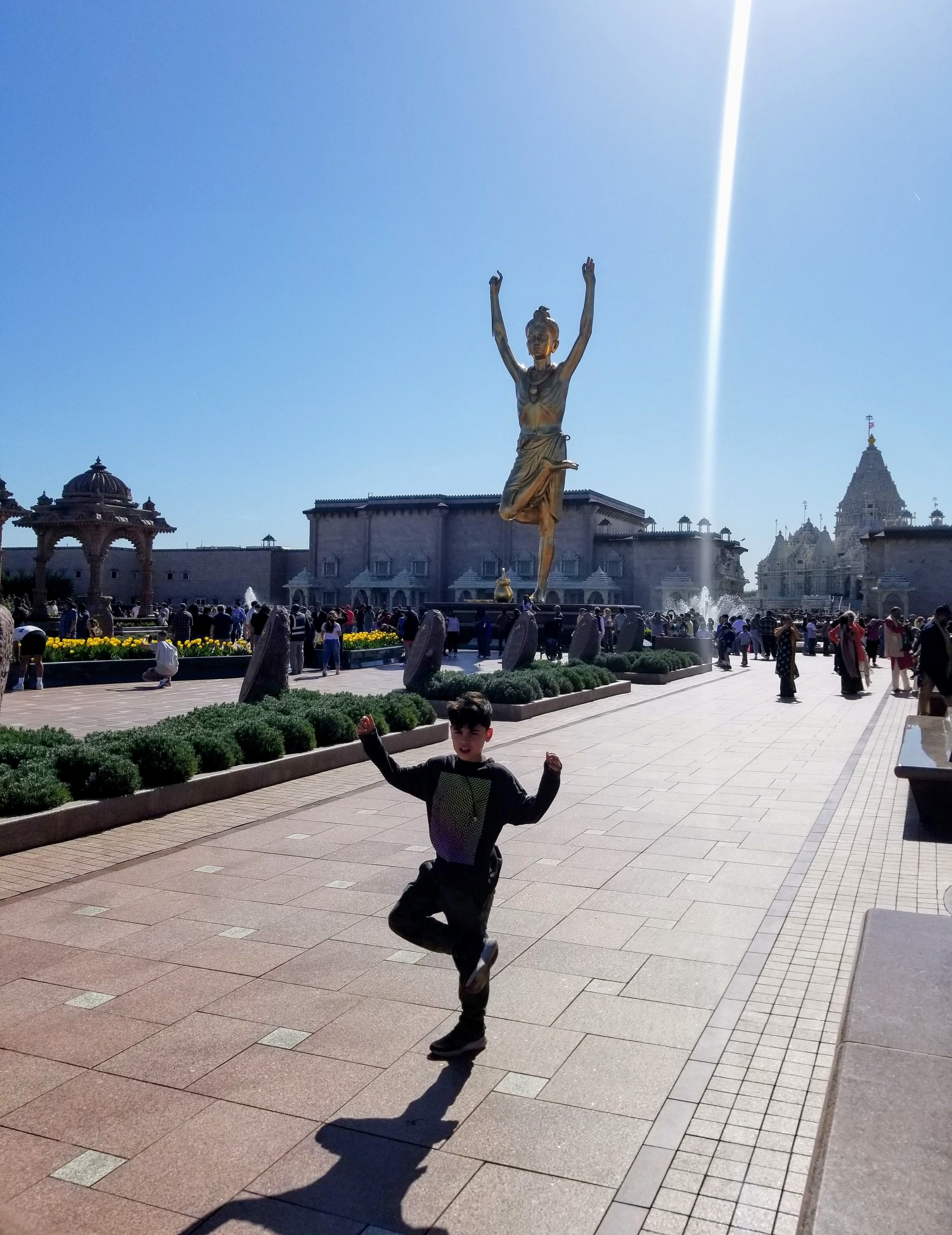 Mindfulness, and meditation practices can help with both the physical and mental aspects of stress and recovery, providing a holistic approach in coping with challenges.
Somatic Practices increase awareness of how your body feels and reacts, which can help individuals recognize stress signals early and respond more effectively. Deep breathing, muscle relaxation, and movement work by releasing physical and emotional tension.
Mindfulness Practices encourage staying present, which can enhance concentration and mental flexibility, making it easier to get through challenging situations and find solutions in ways that are helpful.
Meditation Practices have been shown to activate the relaxation response, reducingContinue reading
Mindfulness, and meditation practices can help with both the physical and mental aspects of stress and recovery, providing a holistic approach in coping with challenges.
Somatic Practices increase awareness of how your body feels and reacts, which can help individuals recognize stress signals early and respond more effectively. Deep breathing, muscle relaxation, and movement work by releasing physical and emotional tension.
Mindfulness Practices encourage staying present, which can enhance concentration and mental flexibility, making it easier to get through challenging situations and find solutions in ways that are helpful.
Meditation Practices have been shown to activate the relaxation response, reducing stress hormones and promoting a sense of calm and well-being.
Mezzo Solutions offers workshops, training sessions, and support services designed to enhance resilience, promote well-being, and improve the overall quality of care provided to communities. While they are dedicated to empowering Helping Professionals in healthcare, education, social services, and other mission-driven careers through targeted mental health education and support, their resources are applicable to everyone. Take a look at this Helper's Field Guide — Mezzo Solutions which provides information and strategies on managing stress and practicing mindfulness and self-care.
Share Calm on Facebook
Share Calm on X (formerly Twitter)
Share Calm on Linkedin
Email Calm link
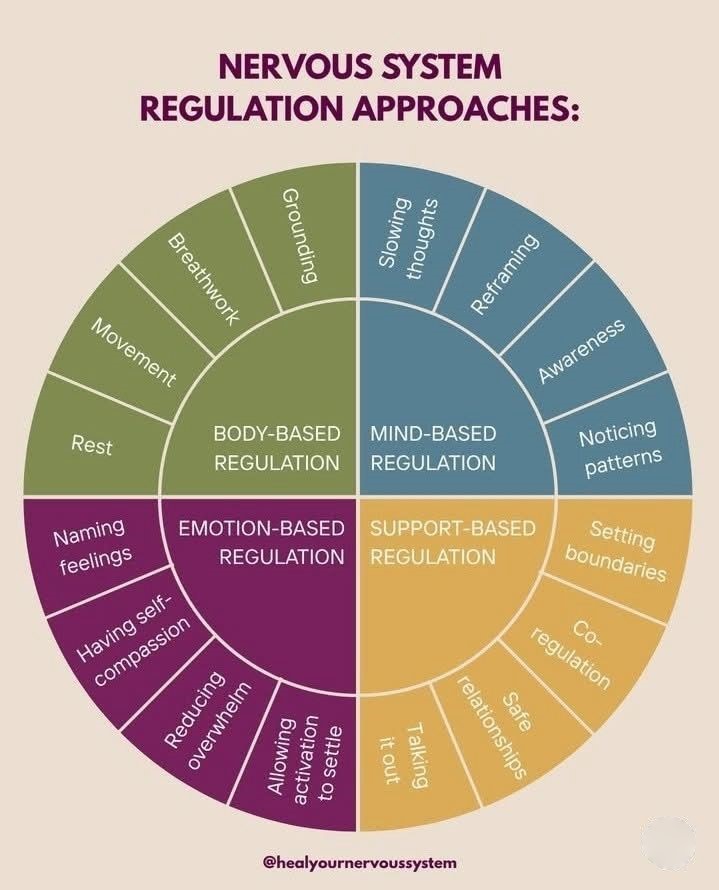
 Mindfulness and meditation practices can help with the physical and mental aspects of stress and recovery, providing a holistic approach in coping with challenges. Meditation practices have been shown to activate the relaxation response, reducing stress hormones and promoting a sense of calm and well-being. Somatic practices, like Yoga, increase awareness of how your body feels and reacts, which can help identify stress signals early and respond more effectively. You can learn more at Mindfulness meditation: A research-proven way to reduce stress/meditation.
Say "Omm" and dive right in:
The Free Mindfulness Project - Free Guided Activities for Mindfulness and Meditation
Guided Meditations - UCLA Mindful | UCLA Health
What is mindfulness? - Medito Foundation
What is meditation? - Medito Foundation
Meditation Oasis
Watch this 4-minute video by Mezzo Solutions that lists 10 simple ways to practice mindfulness
This online Mindfulness-Based Stress Reduction (MBSR) course is 100% free, created by a fully certified MBSR instructor, and is based on the program founded by Jon Kabat-Zinn at the University of Massachusetts Medical School.
Finger labyrinths
Finger labyrinths are miniature versions of traditional labyrinths, designed to be traced with a finger rather than walked. They serve as tools for meditation, mindfulness, and reflection, helping to reduce stress, quiet the mind, and open the heart.
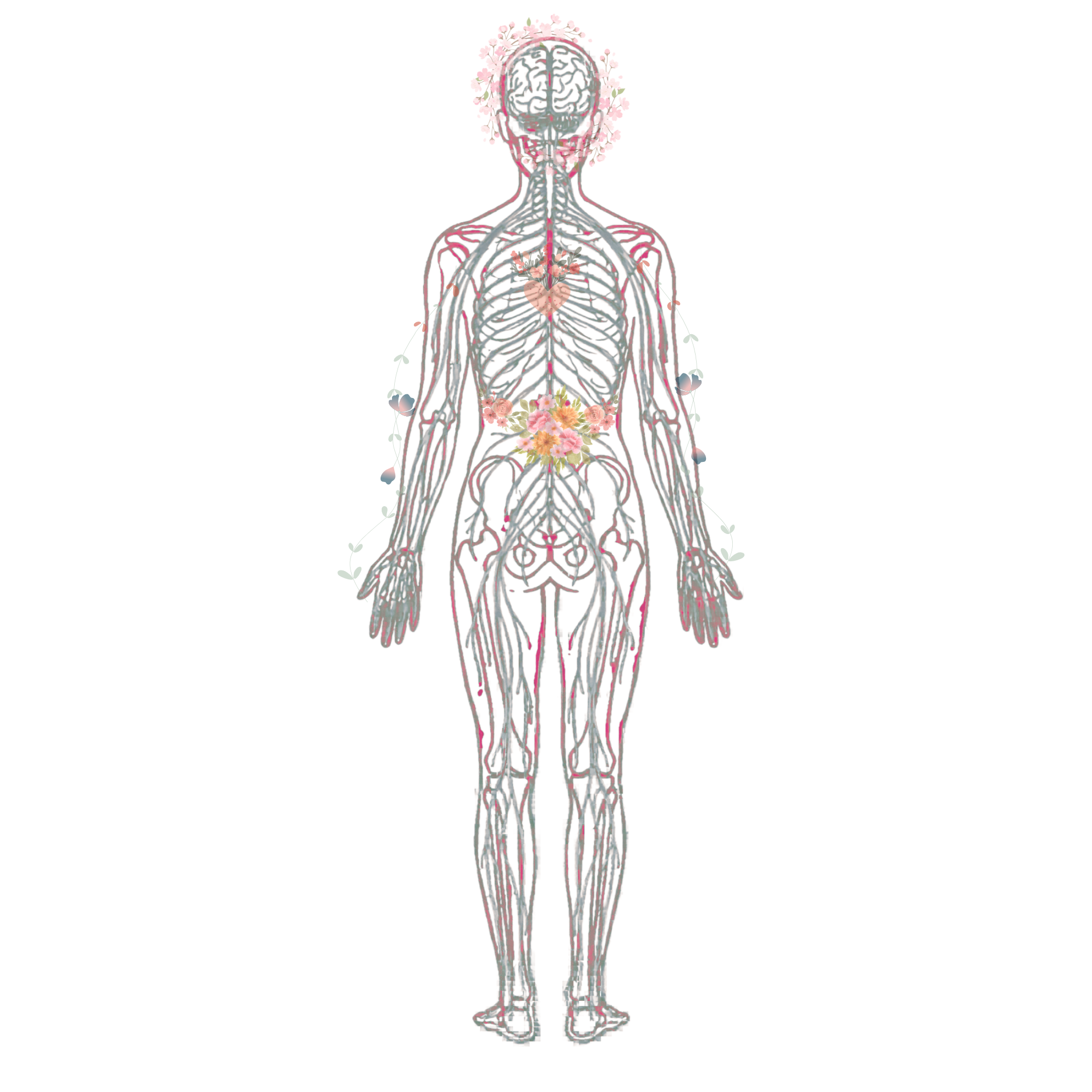 The vagus nerve (CN X) is the longest nerve of the autonomic nervous system, acting as a crucial bidirectional "information highway" connecting the brain to major organs like the heart, lungs, and gut. As the main component of the parasympathetic nervous system, it regulates involuntary functions—such as digestion, heart rate, and immune response—and triggers the "rest and digest" state. A vagus nerve reset may help regulate your breath and heart rate to lower stress. Get started with these links below.
Regulate the Vagus Nerve
Try this 16 Minute Vagus Nerve Reset
Mindfulness Exercise: Vagus Nerve Reset
5 Minute Reset

Listen...
Nature’s music and soothing sounds can restore us by helping us relax. Researchers have discovered that nature sounds change the connections in our brains, taking down the body’s fight-or-flight response. This research study, published in Science Direct, tells us why.
Relaxing Sounds of an Aquarium
Sounds of Nature
Listen to Music in Nature
Music for Inner Peace
Nervous System Regulation | 1 hour handpan music
Calm your Nervous System Healing Frequency
Share Unplug on Facebook
Share Unplug on X (formerly Twitter)
Share Unplug on Linkedin
Email Unplug link
 Unplugging isn't just relaxing; it is a restorative process that helps the brain reset and process information. There are many ways to unplug, from playing games to watching your favorite shows or just being in nature. Unplugging can help calm the nervous system and improve emotional regulation. Playing is one way to unplug. Play has profound developmental and psychological benefits at all stages of life. Play can be simple things, like doodling, solving crosswords, or tossing a ball with a friend. Play can also be reading a book, team sports, or being creative through photography, drawing or creating a presentationContinue reading
Unplugging isn't just relaxing; it is a restorative process that helps the brain reset and process information. There are many ways to unplug, from playing games to watching your favorite shows or just being in nature. Unplugging can help calm the nervous system and improve emotional regulation. Playing is one way to unplug. Play has profound developmental and psychological benefits at all stages of life. Play can be simple things, like doodling, solving crosswords, or tossing a ball with a friend. Play can also be reading a book, team sports, or being creative through photography, drawing or creating a presentation. The benefits of play are in the personal experience and joy it brings. Learn about the benefits of Play.
Now, go ahead and play:
Just want to hang back? Watch something you enjoy:
Or listen to something that brings you joy:
Share Care on Facebook
Share Care on X (formerly Twitter)
Share Care on Linkedin
Email Care link
 When you think of self-care, meditation, getting a massage or playing music are some activities that may come to mind. These activities are external, happening outside of your body. Yet stress is experienced internally; it is felt inside the body, and it impacts individuals differently. Your nervous system controls everything you do – walking, thinking, feeling, and breathing.
Self-care practices care for your entire nervous system – both your body and your brain. When self-care becomes part of your routine, research suggests that you can reduce stress and feelings of emotional, mental, and even physical exhaustion that can be causedContinue reading
When you think of self-care, meditation, getting a massage or playing music are some activities that may come to mind. These activities are external, happening outside of your body. Yet stress is experienced internally; it is felt inside the body, and it impacts individuals differently. Your nervous system controls everything you do – walking, thinking, feeling, and breathing.
Self-care practices care for your entire nervous system – both your body and your brain. When self-care becomes part of your routine, research suggests that you can reduce stress and feelings of emotional, mental, and even physical exhaustion that can be caused by prolonged stress. Enhancing your emotional self-awareness through regular self-care can create balance in your life.
Learn more about the link between self-compassion and physical health or read about the Science of Self-Compassion.
Ready to start? Take a look at the resources below.
Share Awe, Joy, & Hope on Facebook
Share Awe, Joy, & Hope on X (formerly Twitter)
Share Awe, Joy, & Hope on Linkedin
Email Awe, Joy, & Hope link
 Cultivating awe, joy and hope help your brain and body stay balanced, making it easier to handle stress and find joy in life’s moments that you can call upon even in times of intense stress or adversity. When your nervous system is calm and balanced, you feel better and can deal with the challenges ahead, looking at all you have accomplished and all there is for which to be grateful. These experiences further enhance and strengthen resilience.
Continue reading
Cultivating awe, joy and hope help your brain and body stay balanced, making it easier to handle stress and find joy in life’s moments that you can call upon even in times of intense stress or adversity. When your nervous system is calm and balanced, you feel better and can deal with the challenges ahead, looking at all you have accomplished and all there is for which to be grateful. These experiences further enhance and strengthen resilience.
The Science of Hope, The Science of Awe, Science of Joy, and how Science Explains Happiness.
Give it a try:
Share Create on Facebook
Share Create on X (formerly Twitter)
Share Create on Linkedin
Email Create link
 Creativity can help reduce stress and make us feel more relaxed. When we are involved in a creative task, we may enter a state where we lose track of time and feel deeply focused. This state can lower stress hormones and boost our mood, leading to a sense of accomplishment and well-being. Regularly doing creative tasks helps our brains stay flexible and strong by forming new connections. This helps in keeping our minds sharp and can help protect against memory problems as we age. Psychologists and neuroscientists are exploring where creativity comes from and how to increase your own.
LearnContinue reading
Creativity can help reduce stress and make us feel more relaxed. When we are involved in a creative task, we may enter a state where we lose track of time and feel deeply focused. This state can lower stress hormones and boost our mood, leading to a sense of accomplishment and well-being. Regularly doing creative tasks helps our brains stay flexible and strong by forming new connections. This helps in keeping our minds sharp and can help protect against memory problems as we age. Psychologists and neuroscientists are exploring where creativity comes from and how to increase your own.
Learn more about why the brain loves being creative.
Ready to get creative?
Share Move on Facebook
Share Move on X (formerly Twitter)
Share Move on Linkedin
Email Move link

Movement releases feel-good brain chemicals (endorphins, dopamine, serotonin) and reduces stress hormones like cortisol. It can help regulate your nervous system. This can help improve sleep, reduce stress and anxiety, and enhances self-esteem. For individuals impacted by trauma, a body mind disconnect can occur. Movement helps restore the mind body connection.
Movement releases feel-good brain chemicals (endorphins, dopamine, serotonin) and reduces stress hormones like cortisol. It can help regulate your nervous system. This can help improve sleep, reduce stress and anxiety, and enhances self-esteem. For individuals impacted by trauma, a body mind disconnect can occur. Movement helps restore the mind body connection.
Share Podcasts on Facebook
Share Podcasts on X (formerly Twitter)
Share Podcasts on Linkedin
Email Podcasts link

Road to Resilience, from Mount Sinai features stories and expert insights on building resilience in the face of burnout, trauma, and other challenges with a focus on science-backed insights to thrive through challenges.
The Resilience Podcast offers research and tools for resilience in the workplace from the Resilience Institute.
Lessons in Resilience provides practical tips and techniques to build a kinder, more realistic toolkit for handling change, stress, and self-doubt.
Deep Resilience: Melli O'Brien shares key insights and skills each week to help you grow your inner strength, find inner peace, and handle challenges with greater skill.
Road to Resilience, from Mount Sinai features stories and expert insights on building resilience in the face of burnout, trauma, and other challenges with a focus on science-backed insights to thrive through challenges.
The Resilience Podcast offers research and tools for resilience in the workplace from the Resilience Institute.
Lessons in Resilience provides practical tips and techniques to build a kinder, more realistic toolkit for handling change, stress, and self-doubt.
Deep Resilience: Melli O'Brien shares key insights and skills each week to help you grow your inner strength, find inner peace, and handle challenges with greater skill.
Thriving Minds is a podcast dedicated to exploring mental well-being and resilience.
The Science of Happiness: From the Greater Good Science Center at UC-Berkeley, this podcast offers research-tested strategies for a more meaningful and joyful life. Episodes have explored topics like gratitude and finding joy through connection with others.
The Science of Awe: From the creators of the series by The Science of Happiness, explore what happens in our bodies and brains when we experience the vast and incomprehensible, and how it changes us for the better.
The Gratitude Podcast: Features hundreds of free episodes that provide inspiration for cultivating gratitude with stories, affirmations, and words of wisdom.
How to Find Joy: This podcast features a "joy guide" in, sharing stories and actionable tips for navigating life's messy parts while cultivating a more aligned and joy-filled life.
Podsitivity: This podcast focuses on the good in the world by sharing true stories about hope, kindness, and perseverance from people who lived them.
Cultivating H.E.R. Space, hosted by Dr. Dominique Broussard and Terri Lomax, aims to create a safe and supportive environment for women. The podcast addresses a wide range of topics, from personal challenges like health issues to broader societal concerns, encouraging listeners to engage in meaningful discussions and share their experiences. The acronym H.E.R. stands for Healing, Empowerment, and Resilience, reflecting the core mission of the podcast.
The Happiness Lab: Dr. Laurie Santos, a psychology professor at Yale, shares scientific research on what truly makes people happy and provides practical tips for living a more joyful life, based on her university course.
The Mindfulness Podcast (American Mindfulness Research Association): Features discussions with experts on the research and clinical utility of mindfulness, covering scientific findings and diverse applications.
Happiness Break (Greater Good: The Science of a Meaningful Life): A biweekly podcast with guided, research-backed practices designed to cultivate calm and compassion in under ten minutes.
The Tara Brach Podcast: A blend of psychology, mindfulness, and Buddhist principles, offering meditations, teachings, and interviews with educators and researchers.
The FitMind Podcast (How to Train a Happy Mind): Takes a highly scientific approach to mindfulness, psychology, and neuroscience, featuring interviews with neuroscientists, psychologists, and experts in well-being.
10% Happier: is a mindfulness and self-improvement podcast hosted by journalist Dan Harris, featuring interviews with meditation teachers, scientists, and thought leaders.
Share Apps for Gratitude, Joy, and Awe on Facebook
Share Apps for Gratitude, Joy, and Awe on X (formerly Twitter)
Share Apps for Gratitude, Joy, and Awe on Linkedin
Email Apps for Gratitude, Joy, and Awe link
 Happyfeed
This app is a gratitude journal that helps you cultivate joy by making it easy to record good things that happen each day. Research shows that consistently focusing on positives can increase happiness.
Free features include:
The ability to post three good things each day, including photos and videos.
A "Happiness Jar" feature that lets you shake your phone to revisit a random positive memory.
"Throwbacks" that resurface past happy moments.
I Am
The app sends daily positive affirmations as reminders to help you shift your mindset.
Happyfeed
This app is a gratitude journal that helps you cultivate joy by making it easy to record good things that happen each day. Research shows that consistently focusing on positives can increase happiness.
Free features include:
The ability to post three good things each day, including photos and videos.
A "Happiness Jar" feature that lets you shake your phone to revisit a random positive memory.
"Throwbacks" that resurface past happy moments.
I Am
The app sends daily positive affirmations as reminders to help you shift your mindset.
The We Are Resilient™ app was created to bring practical resilience-building tools into everyday life, with simple practices you can use in just a few minutes a day to support emotional well-being, self-awareness, and stress management.
FREE features include:
Daily check-ins
Resilience assessment
Reflection journals
Gratitude practices
Guided breathing exercises
Short overviews of the components of the approach: Protective Patterns, Resilient Mindsets, and Centering, Connecting, and Collaborating Skills
Two free micro-courses guiding you through core We Are Resilient™ practices
Share Meditation Apps on Facebook
Share Meditation Apps on X (formerly Twitter)
Share Meditation Apps on Linkedin
Email Meditation Apps link
 Healthy Minds
Developed by Dr. Richard Davidson, this app is 100% free and offers structured meditation training based on a four-pillar model of well-being.
Medito
A completely free, not-for-profit app with a straightforward interface, Medito offers a beginner course, compassion practice, sleep meditations, and a silent timer.
Exhale
EXHALE is an emotional well-being app designed for Black, Indigenous, and Women of Color (BIWOC). The practices in this app are referred to as "soul medicine"- medicine for the depths of our souls. This app was curated by BIWOC so that in your emotional well-being journey, you can lean-in and trustContinue reading
Healthy Minds
Developed by Dr. Richard Davidson, this app is 100% free and offers structured meditation training based on a four-pillar model of well-being.
Medito
A completely free, not-for-profit app with a straightforward interface, Medito offers a beginner course, compassion practice, sleep meditations, and a silent timer.
Exhale
EXHALE is an emotional well-being app designed for Black, Indigenous, and Women of Color (BIWOC). The practices in this app are referred to as "soul medicine"- medicine for the depths of our souls. This app was curated by BIWOC so that in your emotional well-being journey, you can lean-in and trust that this space has been cultivated specifically for you.
Smiling Mind
Designed with families in mind, this app also has a free adult section for mindfulness practice.
UCLA Mindful
Created by UCLA, this app helps manage stress with various meditations, a timer, and podcast-style lessons.
Happify
Based on positive psychology and Cognitive Behavioral Therapy (CBT), Happify offers a series of engaging games and activities to help you reframe negative thoughts and build positive habits.
Blackfullness - Mindfulness App
Offers culturally rooted practices that restore peace, reduce stress, and reconnect us to joy. This is how we thrive - softly, boldly, and fully.
Insight Timer
This app offers an extensive free library of guided meditations, talks, and courses from popular meditation teachers. Its focus on mindfulness helps users reduce anxiety and stress.
Labyrinth
For thousands of years labyrinths have provided a place for meditating, finding peace and tranquility, making a pilgrimage, and enhancing creativity. Use your finger to trace the path. Begin at the entrance and journey to the centre, then return relaxed, rejuvenated, and replenished. Pause, reflect, meditate, and when ready, return outwards retracing your path.
Meditate Together - Mindful Leader
Meditate Together gives your practice a place to grow - live sits every hour, open practice anytime, the freedom to practice your way, and a supportive community practicing alongside you. Offers a free trial, with monthly or yearly membership fee thereafter.